

What happens to the nervous system during trauma?
Trauma activates the body’s survival system, causing fight, flight, or freeze responses. Over time, the nervous system can stay on high alert or shut down, even when danger is no longer present.

Understanding why you may feel stuck in fight, flight, or freeze
Trauma is not only something that happens to you — it’s something that happens within you. Long after a difficult or overwhelming experience has passed, your body may continue to respond as if the threat is still present. This is because trauma lives in the nervous system.
If you’ve ever felt “stuck” in anxiety, shutdown, or emotional overwhelm, there is a reason for that. Your nervous system is trying to protect you.
At Calm Haven Mental Health, we believe that understanding how trauma affects your body is a powerful step toward healing. When you can make sense of your responses, you can begin to meet yourself with compassion instead of frustration.
If you’re looking for support, our Trauma Therapy services can help you begin understanding and working with these responses in a safe, supportive way.
Your Nervous System: Built for Protection
Your nervous system is designed to keep you safe. It constantly scans your environment for signs of danger or safety, often outside of your conscious awareness.
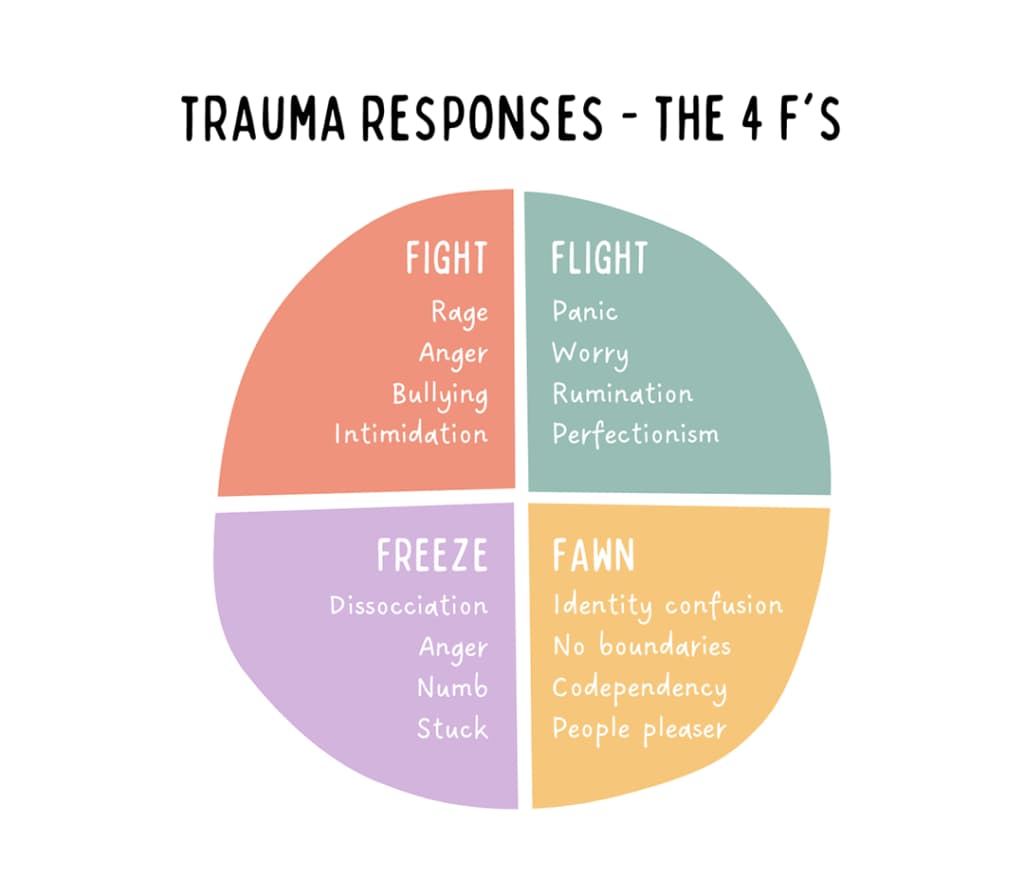
When a threat is detected, your body automatically shifts into survival mode. This can look like:
- Fight – preparing to confront or defend
- Flight – preparing to escape or avoid
- Freeze – shutting down or becoming still to stay safe
These responses are not choices. They are automatic, biological reactions meant to protect you in moments of danger.
What Happens When Trauma Occurs
When you experience trauma — especially repeated or overwhelming trauma — your nervous system can become more sensitive to perceived threats. It may begin to respond quickly, even when the current situation isn’t actually dangerous.
This can lead to:
- feeling constantly on edge or anxious,
- overreacting to small stressors,
- shutting down emotionally or physically,
- difficulty relaxing or feeling safe,
- or cycling between overwhelm and numbness.
Your body isn’t overreacting. It’s remembering.
Body-based approaches like EMDR therapy can help process these stored experiences and reduce the intensity of these responses over time.
Why You Might Feel “Stuck”
Many people wonder why they can’t “just move on” or think their way out of their reactions. The answer is that trauma responses are stored in the body, not just in thoughts.
When your nervous system has learned that the world is unsafe, it continues to operate from that belief — even if your mind knows things are different now.
You might notice:
- Fight energy showing up as irritability, anger, or tension
- Flight energy showing up as anxiety, restlessness, or avoidance
- Freeze energy showing up as numbness, disconnection, or exhaustion
These patterns can feel stuck because they are deeply wired into your survival system.
If you notice these patterns showing up as ongoing worry or tension, you may also relate to what we explore in our Anxiety Therapy services.
The Role of the Body in Healing
Healing from trauma is not about forcing yourself to “think differently.” It’s about helping your nervous system learn that it is safe again.
This happens gradually, through experiences that support regulation and safety.
Some gentle ways to support your nervous system include:
- slowing your breathing and extending your exhale,
- grounding yourself in your surroundings (what you can see, hear, feel),
- noticing and releasing physical tension,
- engaging in safe, supportive relationships,
- creating predictable routines,
- and allowing yourself to move at a pace that feels manageable.
These practices don’t erase trauma, but they begin to teach your body a new pattern: you are safe enough in this moment.

You Are Not Broken — You Are Adaptive
One of the most important truths to hold onto is this: your responses make sense.
Your nervous system has adapted to help you survive. The patterns you experience today were once protective strategies. They may no longer serve you in the same way, but they are not signs of weakness — they are signs of resilience.
A Gentle Closing
If you feel stuck in fight, flight, or freeze, it doesn’t mean you’re doing something wrong. It means your body is trying to protect you, the only way it knows how.
Healing is not about shutting down these responses. It’s about understanding them, working with them, and slowly creating new experiences of safety.
At Calm Haven Mental Health, we hold space for that process — gently, patiently, and at your pace.
You are not broken.
You are learning to feel safe again.
You can also explore more about how your body responds to stress in our article on managing anxiety during stressful seasons, which offers additional grounding tools.
If your trauma is connected to loss, you may also find support in our article on grief and the nervous system during difficult seasons
Share


Related Blogs