

The winter holidays are often portrayed as a season of warmth, togetherness, and celebration. Yet for many people, this time of year quietly magnifies grief. Empty chairs feel louder. Traditions feel different. Memories surface without warning. If you are grieving during the holidays, there is nothing wrong with you — this season can be deeply tender.
Grief does not follow a calendar, and it does not pause for celebrations.
Why the Holidays Can Intensify Grief
The holidays are layered with meaning, memory, and expectation. They can highlight what has changed and what is missing. Familiar songs, scents, and rituals can bring loved ones to mind, sometimes all at once.
Grief during the winter holidays may show up as:
-
sadness that feels heavier than usual,
-
irritability or emotional numbness,
-
fatigue or lack of motivation,
-
longing for how things used to be,
-
guilt for moments of joy,
-
or pressure to “be okay” for others.
All of these responses are normal expressions of loss.
There Is No Right Way to Grieve
Grief looks different for everyone. Some people want to talk about their loved one; others prefer quiet reflection. Some feel comforted by traditions; others find them painful. You are allowed to choose what feels most supportive for you.
You might:
-
keep certain traditions and let others go,
-
create a new ritual in honor of your loved one,
-
spend the holidays with fewer people,
-
take breaks when emotions feel overwhelming,
-
or simply get through the day without expectations.
None of these choices are wrong.
Making Room for Both Grief and Gentle Moments
Grief does not cancel out moments of warmth or connection — and moments of joy do not mean your grief has disappeared. Both can exist side by side.
You are allowed to:
-
smile without betraying your loss,
-
feel sadness without explanation,
-
laugh and still miss deeply,
-
experience peace and pain in the same season.
Allowing this emotional complexity can ease some of the internal tension grief creates.
Caring for Yourself with Compassion
Grief is exhausting. During the holidays, self-care becomes less about productivity and more about preservation.
Gentle ways to care for yourself include:
-
keeping your schedule simple,
-
resting when your body asks for it,
-
staying hydrated and nourished,
-
grounding yourself when emotions surge,
-
reaching out to someone safe,
-
setting boundaries around conversations or gatherings.
These are not indulgences — they are necessities.
Honoring What You’ve Lost
Many people find comfort in small acts of remembrance during the holidays. There is no requirement to do this, but if it feels meaningful, you might:
-
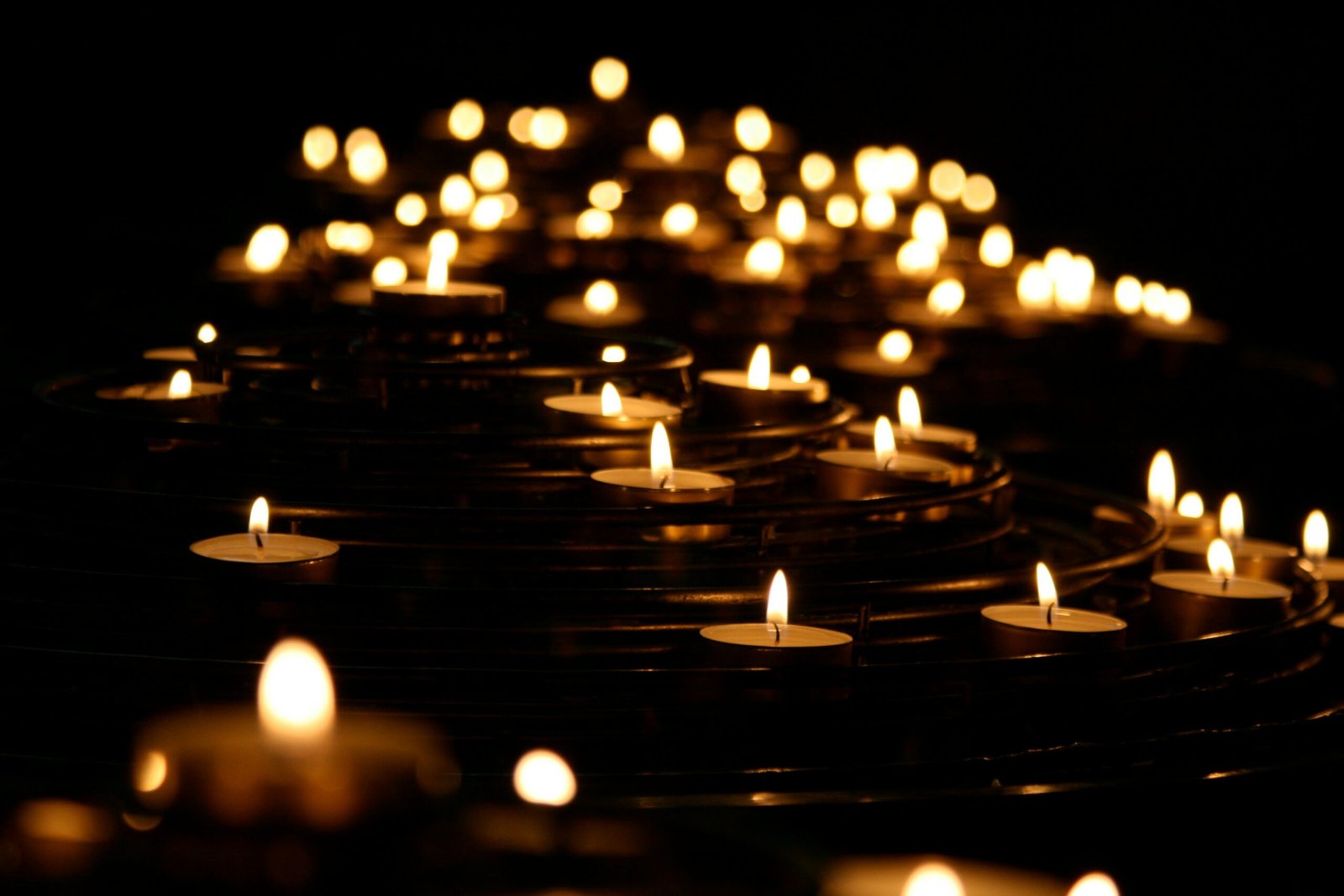
light a candle in their memory,
-
cook a favorite dish,
-
share a story with someone you trust,
-
write a letter to your loved one,
-
visit a meaningful place,
-
or simply speak their name aloud.
Honoring your grief can help you feel connected rather than alone.
When Grief Feels Too Heavy
If your grief begins to feel overwhelming — interfering with daily functioning, sleep, or your sense of hope — support can make a meaningful difference.
Therapy provides a space where your grief does not need to be rushed, fixed, or minimized. It allows you to process your loss in a way that feels safe, supported, and respectful of your experience.
A Gentle Closing
If you are grieving this winter, let this be your reminder: you do not need to carry this quietly. You do not need to perform happiness. And you do not need to “move on.”
Grief is love that continues — even in the coldest seasons.
At Calm Haven Mental Health, we are here to hold space for your grief, your memories, and your healing, one gentle step at a time. If you are ready to begin your healing journey, we are here for you.


Related Blogs