

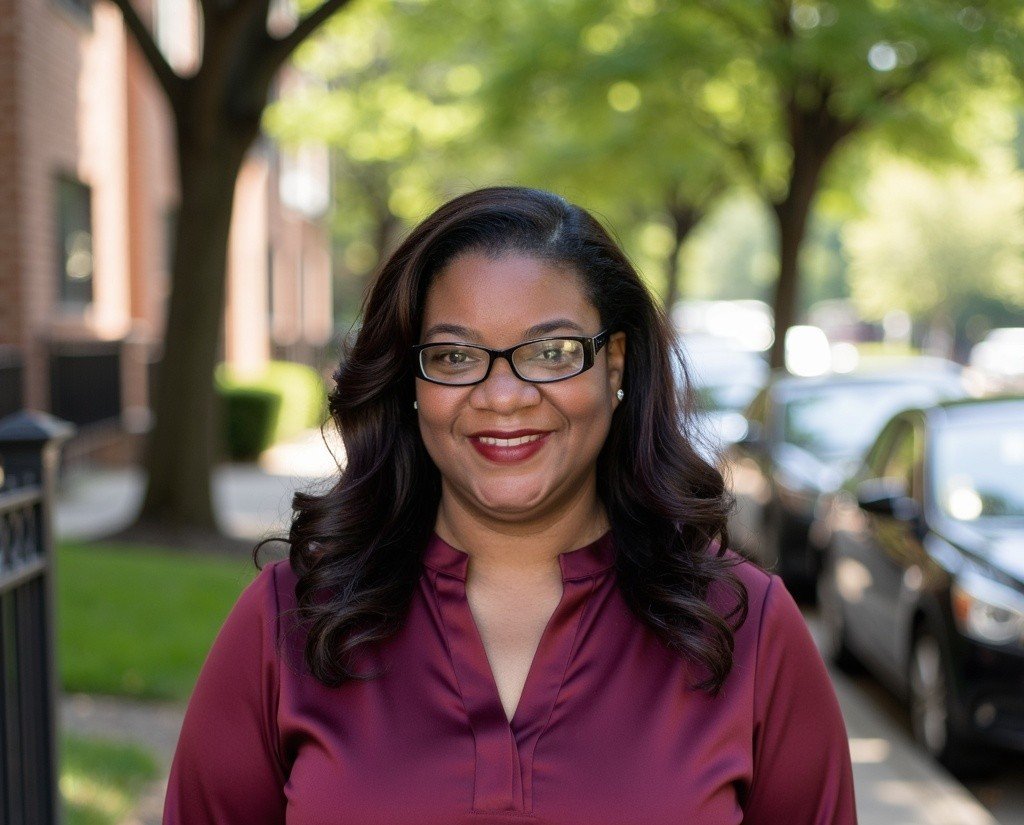
I have experience supporting children, adolescents, adults, and families as they navigate trauma, life transitions, and complex emotional experiences. My background in child welfare, intellectual and developmental disabilities, and mental health has shaped my understanding of the many challenges individuals and families may face throughout different stages of life.
A core focus of my work is supporting adopted individuals, and I have a particular passion for working with adult adoptees as they explore identity, relationships, attachment, and lived experience. I recognize that adoption is deeply personal and not a one-size-fits-all experience.
As both a social worker and an adoptee, I bring a deeper level of understanding to the emotional experiences that can accompany adoption. I strive to create a space where clients feel safe exploring their stories openly, without judgment, pressure, or assumptions.
Dawn Wilson, LMSW, provides trauma-informed therapy for children, adolescents, families, and adoptees navigating identity, attachment, trauma, and life transitions. She incorporates TF-CBT, narrative therapy, and strengths-based approaches to support healing, self-understanding, and emotional growth.
I believe therapy should feel supportive, empowering, and grounded in each person’s unique experiences and goals. Whether you are navigating trauma, identity exploration, or life transitions, I am here to walk alongside you with compassion, curiosity, and care.
Therapy Snapshot
Dawn Wilson, LMSW, provides trauma-informed therapy for children, adolescents, families, and adoptees navigating identity, attachment, trauma, and life transitions. She incorporates TF-CBT, narrative therapy, and strengths-based approaches to support healing, self-understanding, and emotional growth.
Who Dawn Works With?
- Adult adoptees
- Children and adolescents
- Families
- Individuals navigating trauma and identity concerns
What are Dawn's Areas of Focus?
- Adoption and identity
- Trauma and attachment
- Life transitions
- Family and relationship dynamics
- Emotional regulation and coping
What are Dawn's Therapeutic Approaches?
- Trauma-Focused CBT (TF-CBT)
- Narrative therapy
- Strengths-based therapy
- Psychoeducation
- Trauma-informed care